PANEL I
Bodies, Interfaces, Resonances: Heroines of Sound and Audiovisual Politics
9 July 2026 // 18.00 // Studio 2
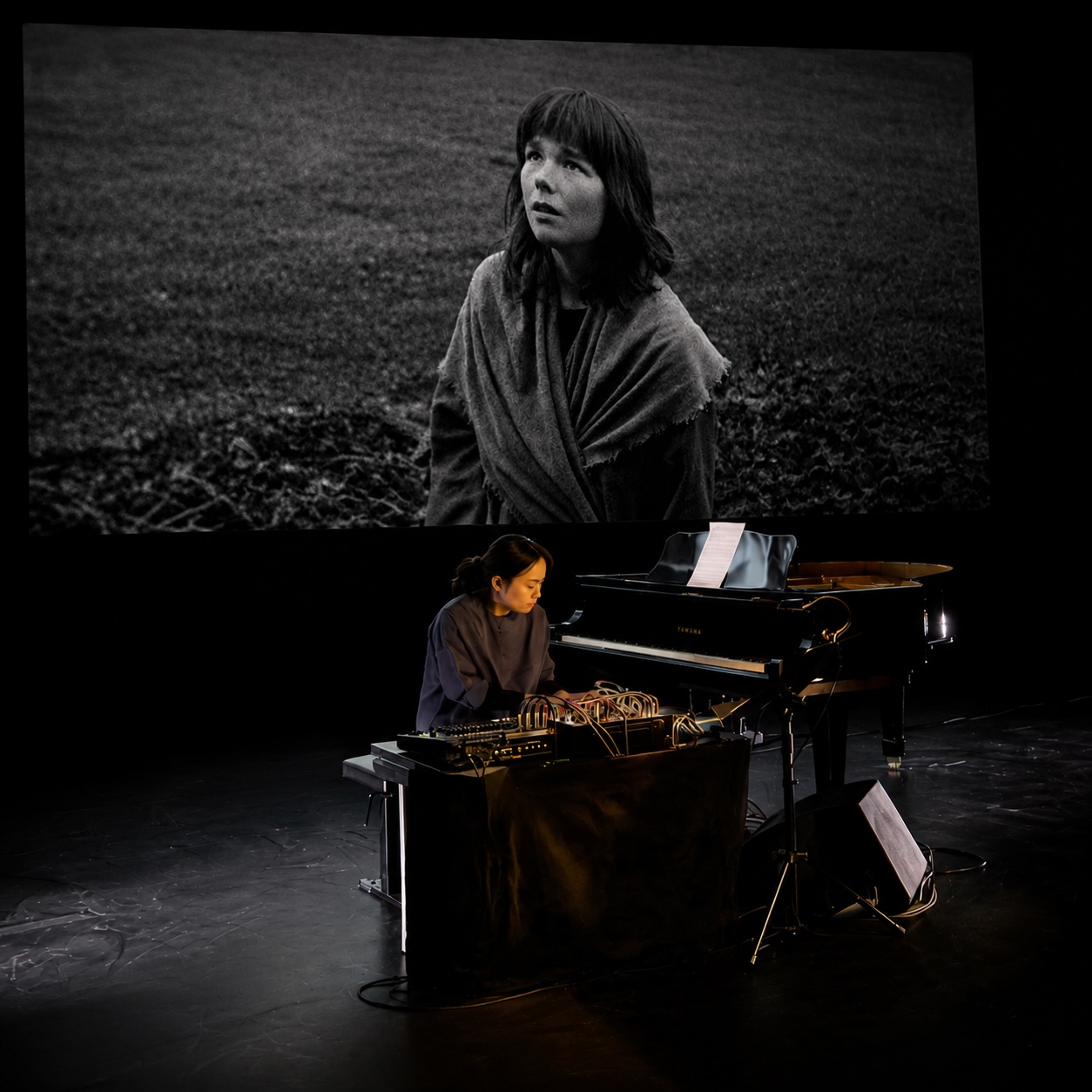
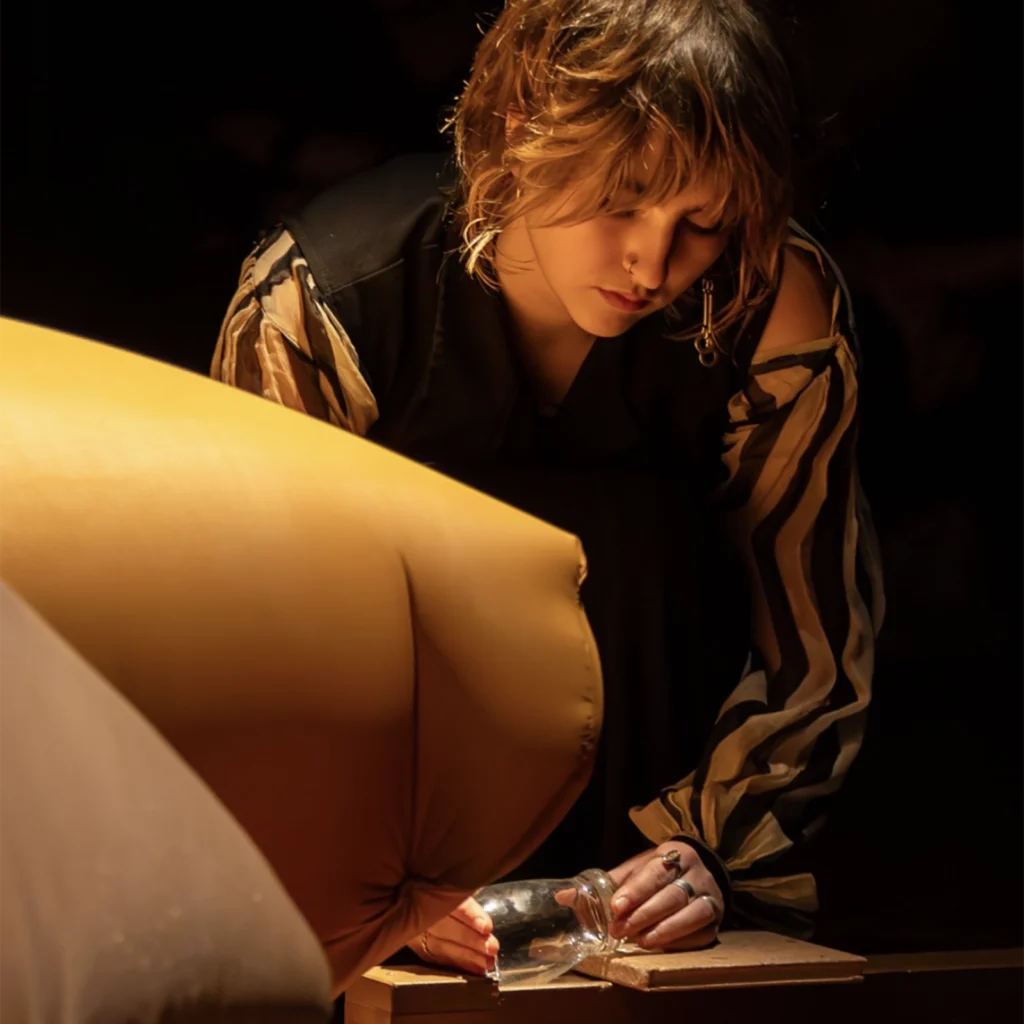
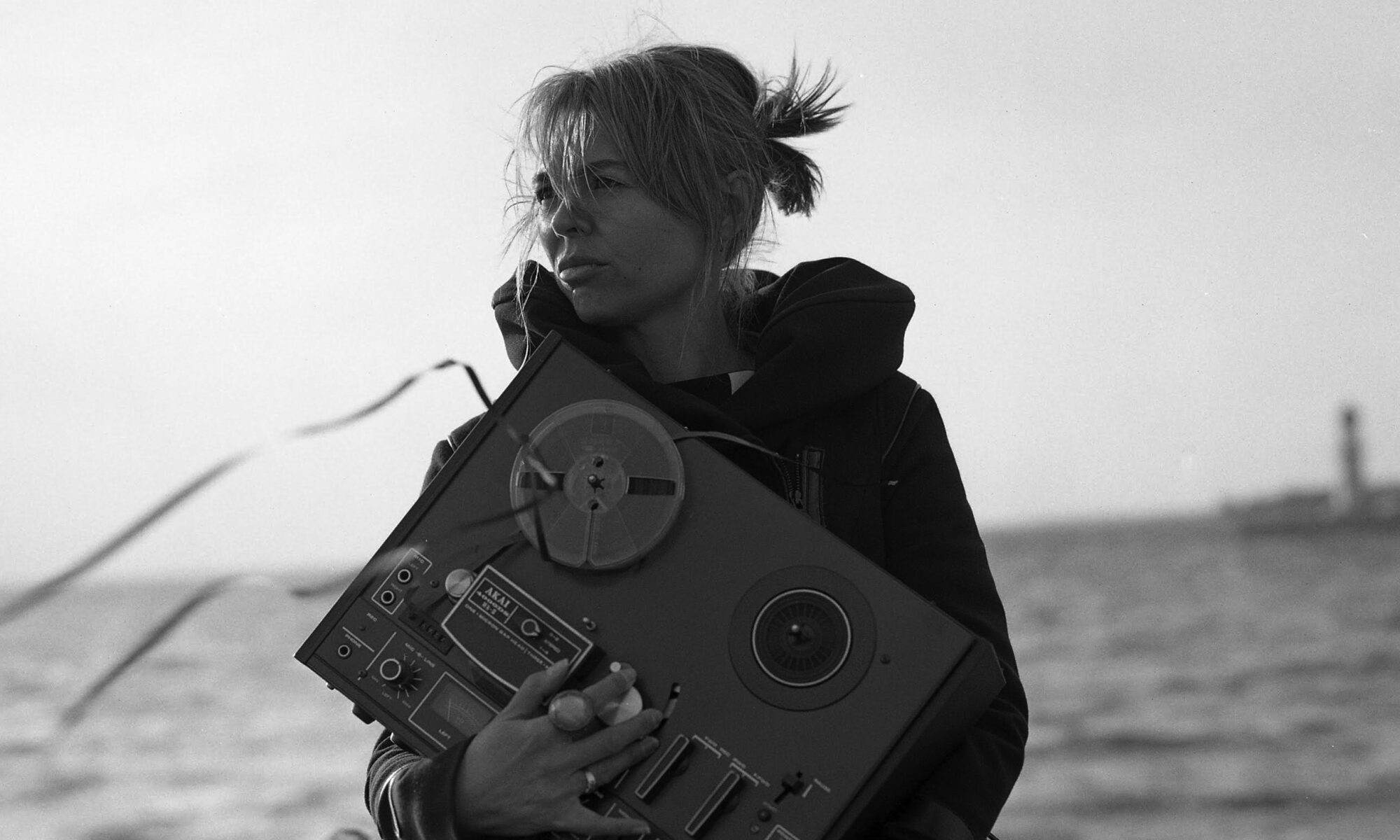
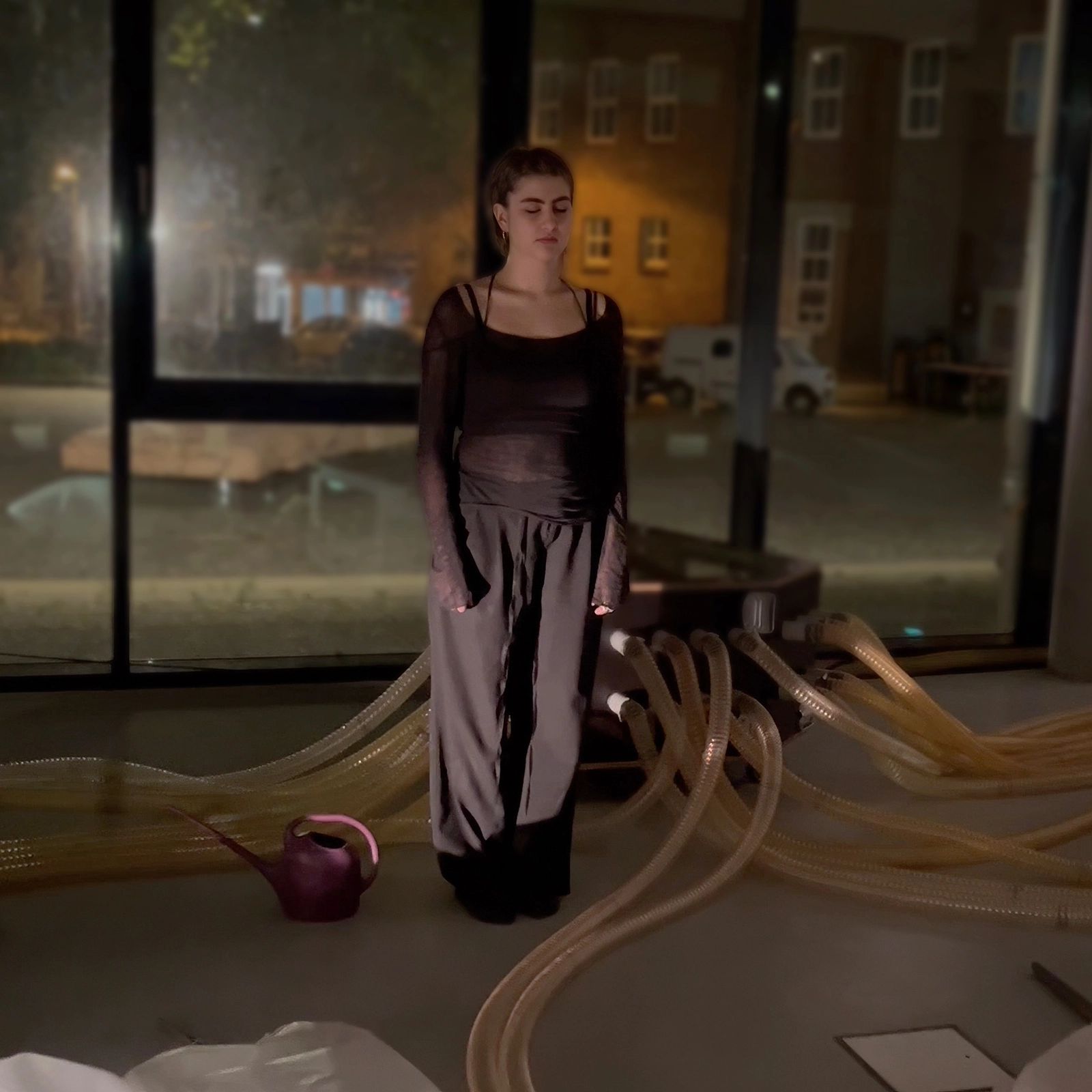
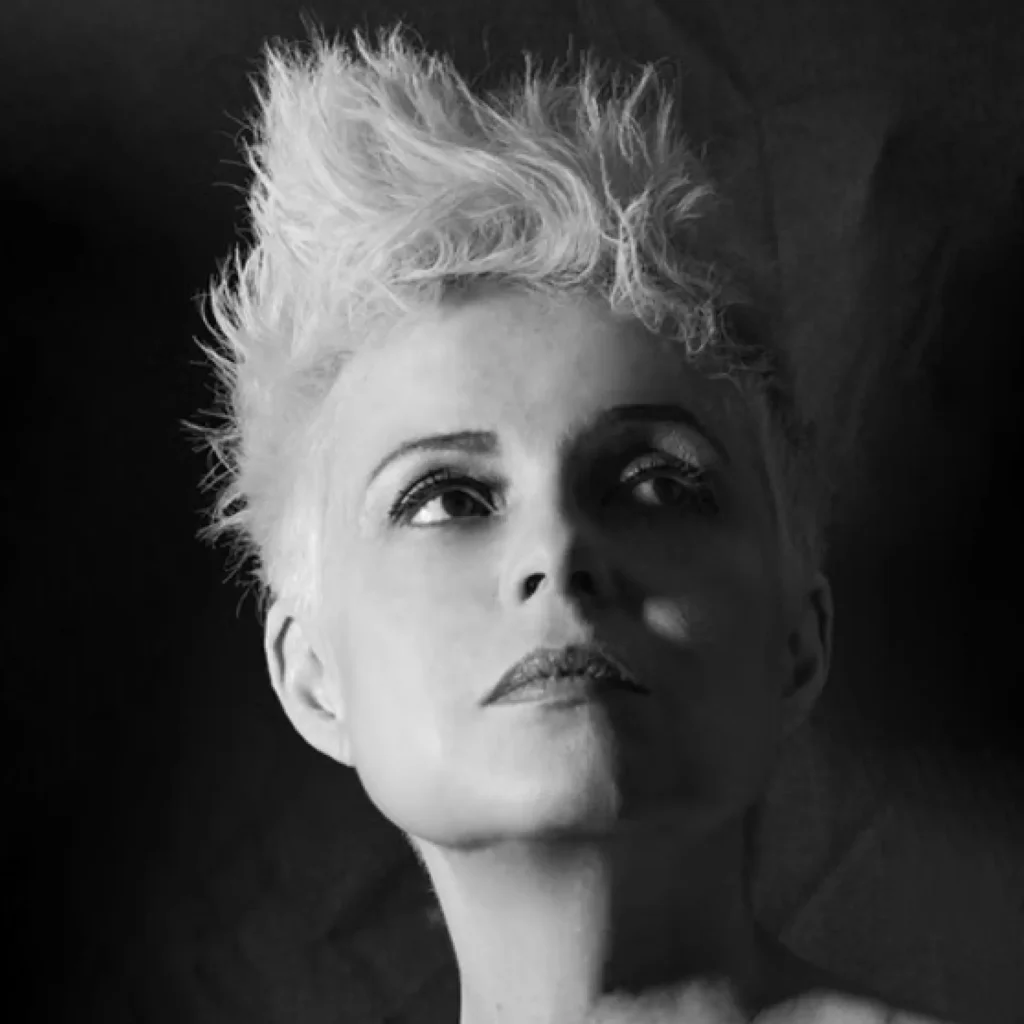
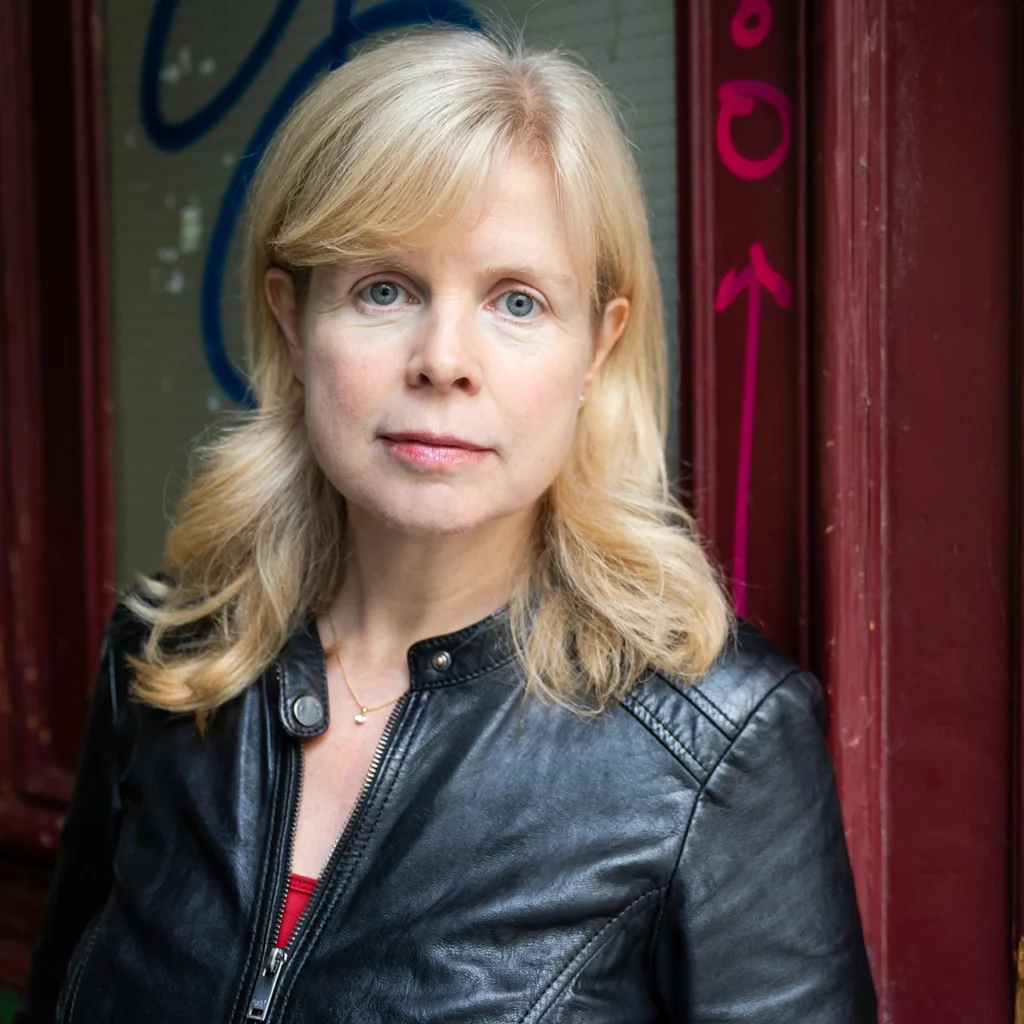
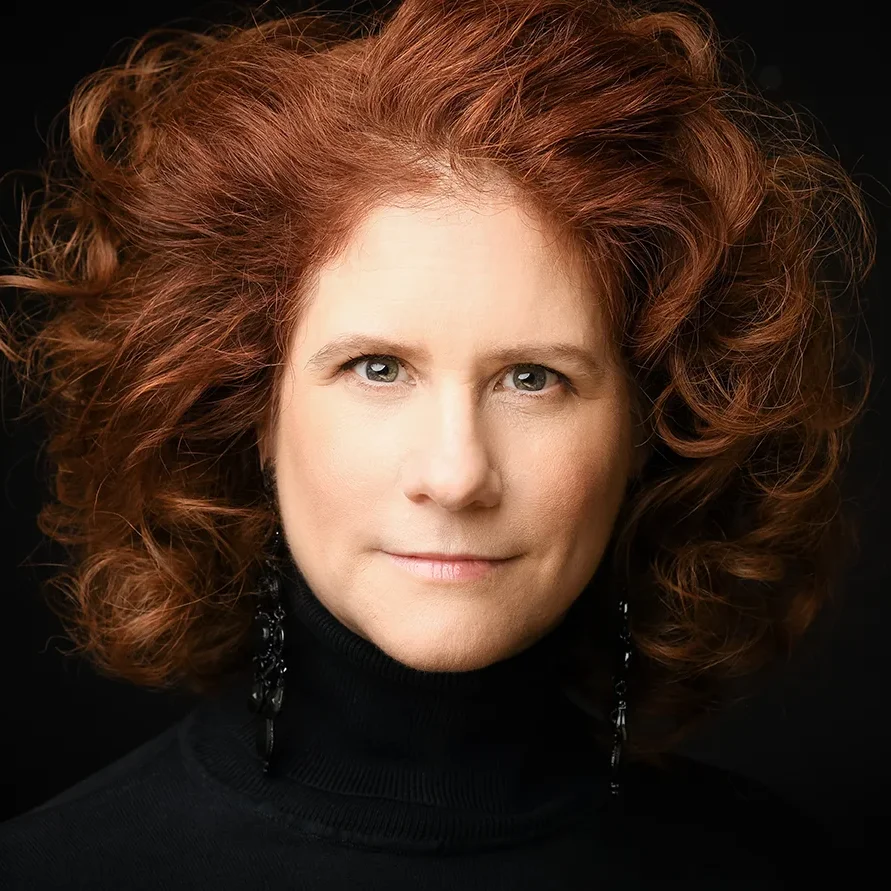
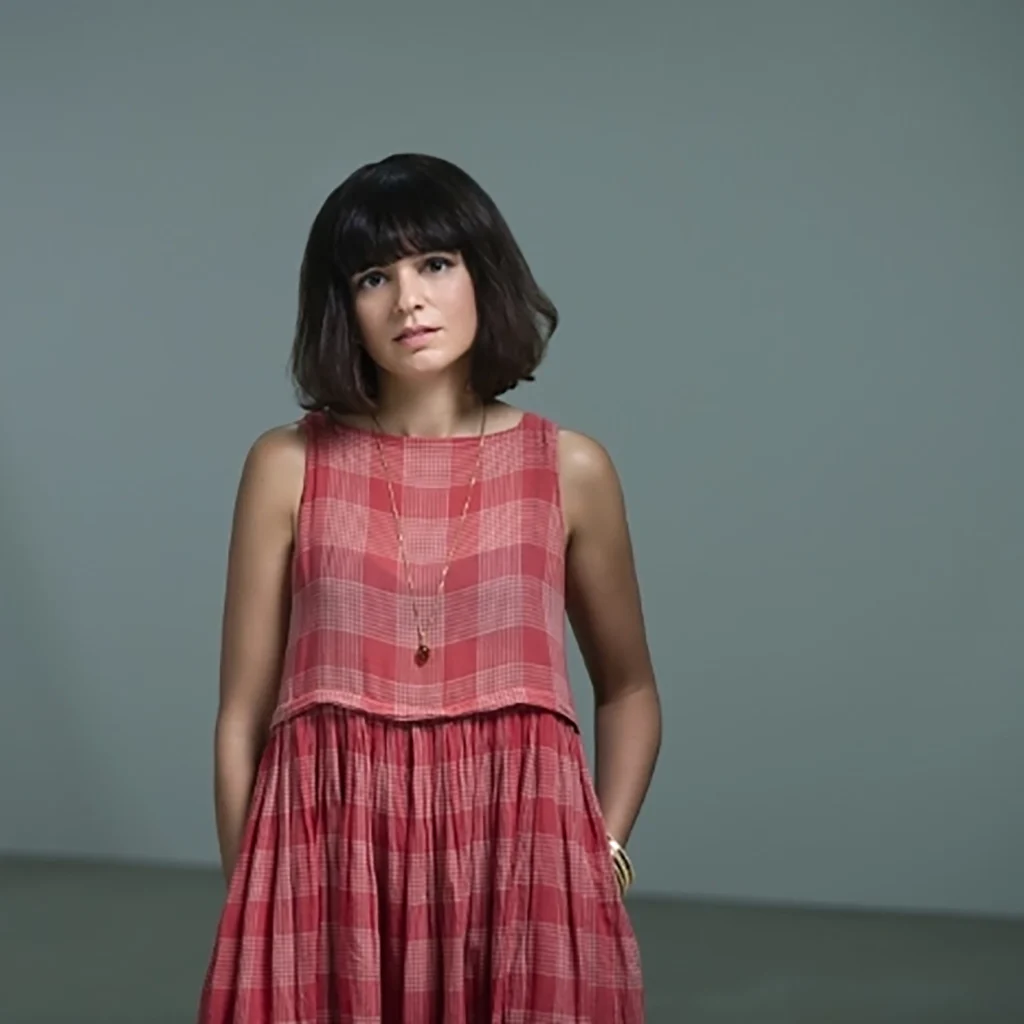
With Eloain Lovis Hübner, Miako Klein, Jia Lim, Tomoko Sauvage, Żaneta Rydzewska and Barbara Zach
Moderated by Laura Aha
The panel discussion will be in English
READ MORE
Electronic music has long drawn inspiration from technological innovation, yet even more significant to its development has been the integration of new contexts and the transformation of familiar perspectives. The technoid and at times sterile character of synthetically generated sound has lost much of its relevance in a landscape where the boundaries between artistic disciplines have become increasingly fluid. Within the concert space, sound, light and spatial dramaturgy can produce immersive environments that unsettle conventional modes of listening and spectatorship. At the same time, the dissolution of distinctions between the human and the technological has intensified electronic music’s engagement with political, social and affective questions.
Bringing together composers and performers, the opening panel explores some of the aesthetic and critical trajectories currently shaping the field today.
Laura Aha is a journalist, cultural studies scholar and DJ with a bachelor’s degree in Popular Music and Media from the Paderborn University (2015) and a master’s degree in Cultural Studies from Humboldt University of Berlin (2023). She has been working for over ten years as a freelance writer, editor, host and producer for outlets including Deutschlandfunk Kultur, Groove, Musikexpress, Missy Magazine and Berghain, covering topics related to pop culture, music and social policy.
Eloain Lovis Hübner works as a composer in the fields of new music and contemporary music theater. Their artistic practice focuses on experimental sound research, transdisciplinary formats and the connection between music and social and media environments. Their works are often informed by influences from sociology and queer studies. They have received important awards, including the German Music Authors’ Prize.
Miako Klein is a Berlin-based musician and improviser, classically trained on recorder and violin. Moving between early, contemporary and experimental music, her work explores disciplinary boundaries through improvisation, electronics and interdisciplinary projects. In 2023, she founded the concert series Sonus feminae with her ensemble Cité des Dames, dedicated to women in music from the Baroque to the present.
Jia Lim has a multifaceted background; she first played trumpet and piano before discovering the harpsichord during her studies. As a prize-winning early music specialist, she performs internationally as a soloist and chamber musician. Her passion for experimentation has also led her to collaborate in a variety of contemporary music projects and theater productions. Together with Miako Klein, she launched the ongoing collaboration »Nova Atlantis«.
Żaneta Rydzewska is a composer, clarinetist and improviser. In her artistic practice, she often draws on themes from nature, contemporary social problems, literature, philosophy and physics. She studied composition at the Cologne University of Music and Dance and at the Chopin University of Music in Warsaw, and also completed postgraduate studies in philosophy at the University of Warsaw.
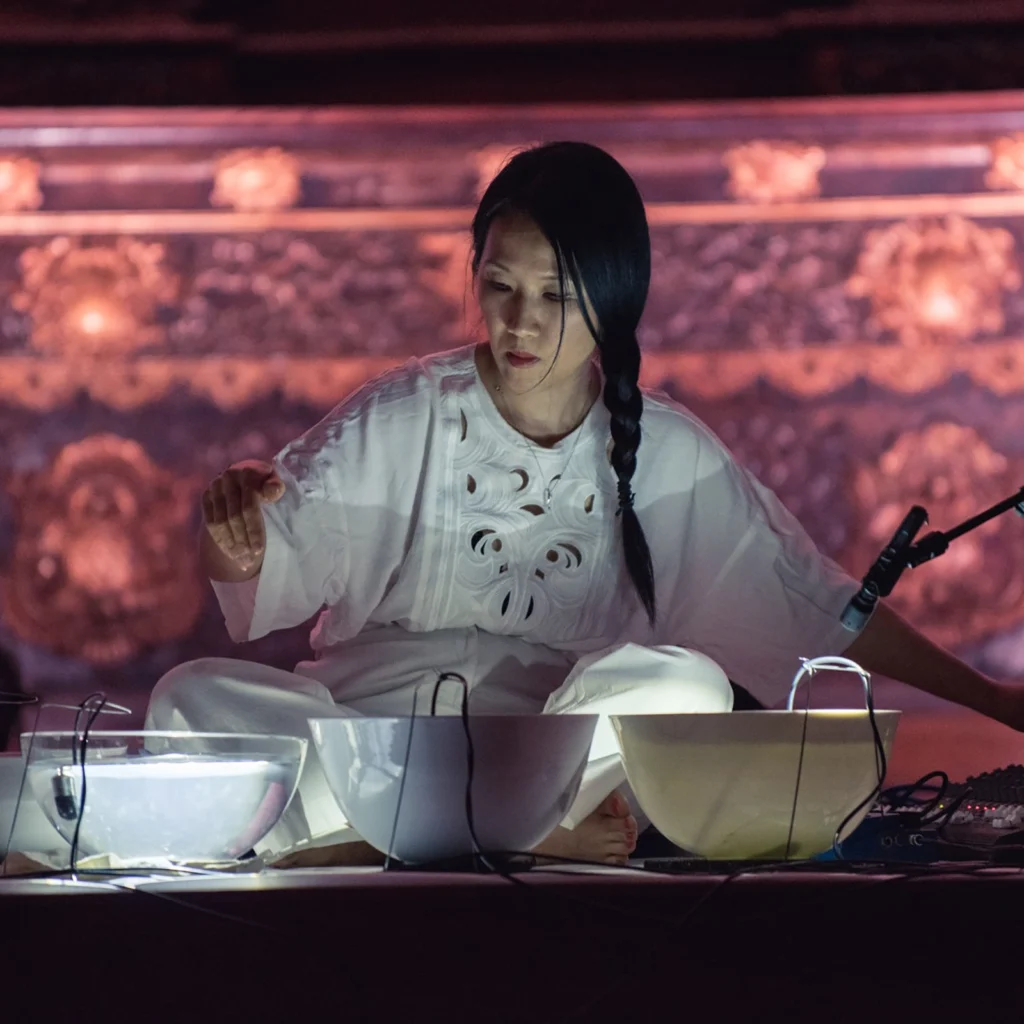
Tomoko Sauvage is a Paris-based Japanese composer and artist best known for her long-standing musical and performance practice using a self-developed instrumentarium that combines water, ceramics and electronics. Her work focuses on the tactile materiality of resonant objects and metaphorical listening. For over two decades, she has performed internationally at institutions and festivals, including the Barbican Centre in London and the Palais de Tokyo in Paris.
Barbara Zach is a composer and multimedia artist whose practice explores the interrelated dynamics of sound and image. Alongside chamber and orchestral works, she composes music for animation and film, and develops immersive performances and sound installations. She studied composition at the Ignacy Jan Paderewski Academy of Music in Poznań and at the Chopin University of Music in Warsaw.
PANEL II
Voice, Performance and Electronic Sound: The Concert Stage as a Theatrical Space
10 July 2026 // 18.00 // Studio 2
With Marie Delprat, Irene Kurka, Kyoka, Leah Muir and Iris ter Schiphorst
Moderated by Nina Guo
Keynote: Monika Pasiecznik
The panel discussion will be in English
READ MORE
What happens when music theatre is reduced to its bare essentials — a voice, a body, a gesture, a breath? Contemporary music performances are increasingly shifting attention away from linear narratives toward concentrated situations in which sound, presence and performative action generate meaning in real time. In these precisely composed encounters, psychological, social and political questions emerge through the act of performance itself. Taking music performances presented at the festival as points of departure, composers and performers discuss current developments in this evolving field and invite audiences into a conversation on new forms of embodiment, listening and musical performance today.
Keynote: Monika Pasiecznik
Queering the Stage: Care, Presence and the Politics of Performance
Feminist and queer performers are transforming the concert format through practices of care, tenderness and radical vulnerability. Drawing on the work of the invited artists, this presentation argues that voice, body and stage presence function as performative strategies that challenge conventions of virtuosity, authorship and control. Rather than affirming the authority of the musical work, these practices foreground relationality, co-presence and listening as shared acts. Working with electronic sound, improvisation and spatial dramaturgy, the artists approach the stage as a compositional environment rather than a neutral site of presentation. Sound, light, movement and scenography operate as interdependent materials that shape perception and structure the performance experience. Within this expanded field, performance unfolds as a process of negotiation and encounter. These practices do more than diversify existing concert formats. They redefine the social and ethical conditions of performance by shifting the emphasis from mastery and representation toward attentiveness, reciprocity and collective forms of experience.
Marie Delprat Marie Delprat is a musician and performer working at the intersection of sound art and live performance, with a particular interest in the interplay between electronic music and early music. In her work, she explores questions of identity and perception. Since 2023, she has been an associated artist at Dampfzentrale Bern. In 2020, she received the Coup de cœur Prize of the Canton of Bern, and in 2025 she was selected for the SHAPE+ platform.
Since March 2026, she holds the professorship for Systematic Musicology at TU Dortmund University.
Nina Guo is a sought-after concert soloist in the field of contemporary music who has performed with ensembles such as the London Sinfonietta, Ictus, Contrechamps, Ensemble Modern, and Decoder. She specializes in experimental opera and has collaborated with the Neuköllner Oper, Guerilla Opera, and ECCE. She is currently working on a new interpretation of Morton Feldman’s »Three Voices« and on interpretations of the music of experimental composers Robert Ashley and Jennifer Walshe.
Irene Kurka is a soprano, author and podcaster, and is internationally renowned as an insightful, versatile and dedicated performer, particularly in the field of contemporary music. As an attentive observer of the contemporary music scene and beyond, she shares her wealth of experience through her podcast »neue musik leben« and accompanying books. Irene Kurka has received numerous awards and grants, including the City of Düsseldorf’s Förderpreis für Musik.
Kyoka is a Japanese-born sound artist based in Berlin and Zurich, working at the intersection of music, neuroscience and perception. She has developed a distinctive approach to electronic composition that combines minimal structures with complex sonic processes. Her recent research explores the translation of biological and environmental data – such as DNA and physiological signals – into sound, creating cybernetic feedback systems between listening and the body.
Leah Muir is a composer working at the intersection of acoustic composition, music theater, video art and live multimedia performance. Her work ranges from orchestral and chamber music to hybrid forms that question the relationship between performer, image and audience perception. Her music has been presented internationally at festivals and institutions, including the Munich Biennale and Wien Modern. She is the recipient of an ASCAP Award and the Deutsche Oper Berlin »New Scenes« Prize.
Monika Pasiecznik is a new music critic, researcher and curator who teaches at the Chopin University of Music in Warsaw. She is the author of »Rytuał superformuły« (2011) on Karlheinz Stockhausen and co-author of »Pozmierzchu« (2012) on new music theatre. Her dissertation »From Presenting Works to Producing Critical Knowledge« (2024), on recent curatorial experiments in public concerts, was published by the Foundation for Polish Science in the prestigious »Monograph FNP« series.
Iris ter Schiphorst is a composer, performer and author. Emerging from her early engagement with electronic music, sampling and collective modes of production, she developed a distinctive musical language that seamlessly connects analog and digital sound worlds as well as aesthetic, performative and discursive dimensions. Her compositions often respond to socio-political themes. Her work spans orchestral music, music theater and film, and has received numerous awards, including the German Music Authors’ Prize and the Heidelberg Künstlerinnenpreis.
PANEL III
Sensation and Materiality in Electronic Sound
11 July 2026 // 18:00 // Studio 2
With Midori Hirano, Anouk Kellner, Yoko Konishi and Miki Yui
Moderated by Miriam Akkermann
Keynote: Marie-Anne Kohl
The panel discussion will be in English
READ MORE
How is electronic sound conceived, shaped and spatialised today? For many musicians, the sonic dimension forms an aesthetic universe that is as fascinating as it is complex. Today, the creation and manifestation of electronic sound can take an extremely wide range of forms. Not only is a broad spectrum of synthetic sound generation techniques available, but the spatial arrangement of loudspeakers alone introduces a quality previously unknown in traditional concert music. Similarly, the shaping of electronic sound allows for surfaces that can be rough or smooth, bodies that feel dense or sharp, and sonic forms that can even be translated into the visual domain. The panel invites discussion on current compositional strategies as well as the performance and staging concepts that emerge from them.
Keynote: Marie-Anne Kohl
Hearing Matters: Voices Without Bodies and the Situated Materiality of Electronic Sound
This talk examines how sensation and materiality are experienced and perceived in electronic sound. Materiality is approached as situated: it emerges in specific listening contexts through the interplay of devices, code, spaces, bodies and infrastructures, and becomes meaningful through reception. Focusing on timbre and texture as primary compositional dimensions, the presentation explores how they organize temporal and spatial experience, and how surfaces, grain and micro‑variation shape sensations of density, warmth or friction. Drawing on a recent encounter with multi‑channel works that combine live performance, signal processing and AI‑cloned voices that produce ‘voices without bodies’, the talk considers how materiality emerges through the interplay of multiple sonic layers and is ultimately completed in the act of listening. Particular attention is given to the AI singing voice as a site where questions of gender, embodiment and listening expectations are negotiated. Timbral cues invite the attribution of subjectivity while simultaneously dislocating voice from visible embodiment. Throughout, the talk argues that sensation and materiality are co‑constituted in perception. This perspective frames electronic sound not as an abstract signal, but as a material configuration shaped by specific conditions of listening.
Miriam Akkermann is a musicologist and sound artist. She earned her PhD in musicology from the Berlin University of the Arts and completed her habilitation at the University of Bayreuth. Her research focuses on 20 th and 21 st century music, computer music and music technology, digital musicology, performance practice, and music archiving. As part of the »Lullabyte« project, she investigates the effects of music and sound on sleep.
Since March 2026, she holds the professorship for Systematic Musicology at TU Dortmund University.
Midori Hirano is a Japanese musician, composer and sound artist based in Berlin. Building on a classical piano education, she creates complex, emotionally charged soundscapes using finely processed synthesizer sounds and the fleeting textures of field recordings. Under the pseudonym MimiCof, she also ventures into sonic worlds that explore rhythmic complexity and melodic distortion. In addition to her recordings as a solo artist and with various ensembles, she composes music for film, dance and video installations.
Anouk Kellner is a sound artist and composer based in Belgium. She creates poetic sonic environments that explore sound as both material and relational phenomenon. Her practice is rooted in the idea that listening and sound are shaped by the systems and networks through which they emerge and circulate. Through processes of deconstruction and reduction, she makes these underlying interdependencies perceptible, inviting listening to become an intentional activity.
Marie-Anne Kohl is Assistant Professor at the Department of Musicology and Performance Studies at the mdw – University of Music and Performing Arts, Vienna (with a special emphasis on mobility, migration, cultural transfer). Her interdisciplinary research encompasses music and diversity, music theater, 20th- and 21st-century music and the intersections with artistic and socially engaged practice. She has also performed as a singer and was co-director and curator of the feminist art space alpha nova in Berlin.
Yoko Konishi is a sound artist and performer from Japan, currently based in France. Trained in classical music from an early age, she developed a strong interest in the physical dimension of sound: the resonance of the body and voice, as well as the ways in which sound shapes spatial perception. Her work explores the intersection of sound, body and technology, while often allowing narrative elements to emerge organically from the material.
Miki Yui is a Japanese artist and composer based in Düsseldorf. Since her first album »Small Sounds« (1999), she has been creating mysterious sound worlds using synthesizers, samplers and field recordings. In her work, she weaves diverse sonic elements into fragile, minimalist yet organic soundscapes that move between abstraction and narrative. Her practice explores the grey areas of perception and imagination.